

Inside the Artemis II social media strategy
I talked to Thalia Patrinos, Artemis Digital Lead, about NASA posting 3,270 times in 10 days.

From April 1st to April 10th, I was glued to my phone. Not because the algorithms pulled me in, but because the moon did. The Artemis II mission is one of the most fascinating and universally engaging social media moments I have witnessed in my entire career.
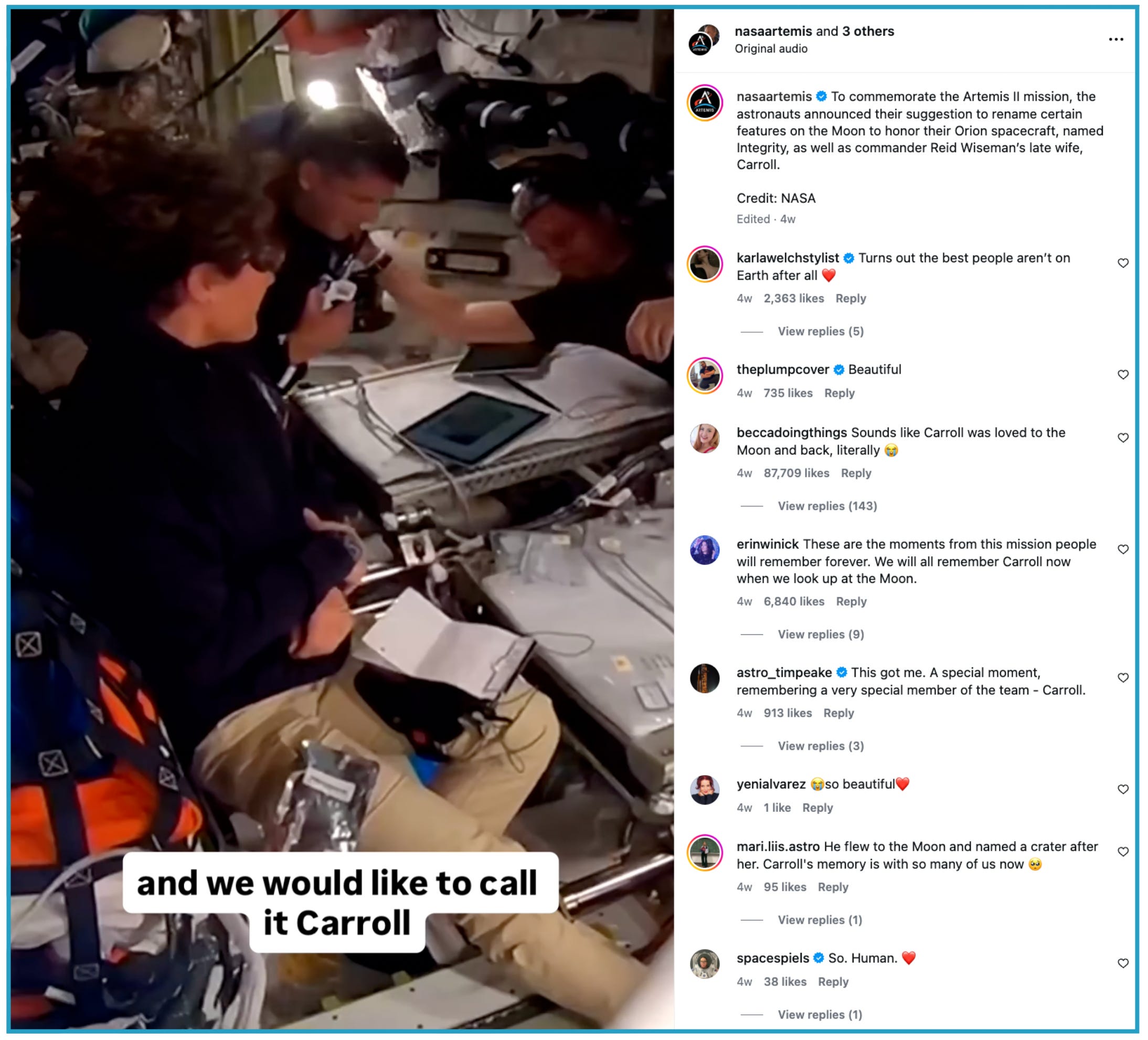
Lift off was just the beginning. The Artemis social media accounts introduced us to the zero gravity indicator “Rise”, showed us the emotional moment the astronauts named a moon crater Carroll to honor the late wife of mission Commander Reid Wiseman, and kept us up to date on what song the crew was waking up to every morning. They were so far away, but I felt like I was there.
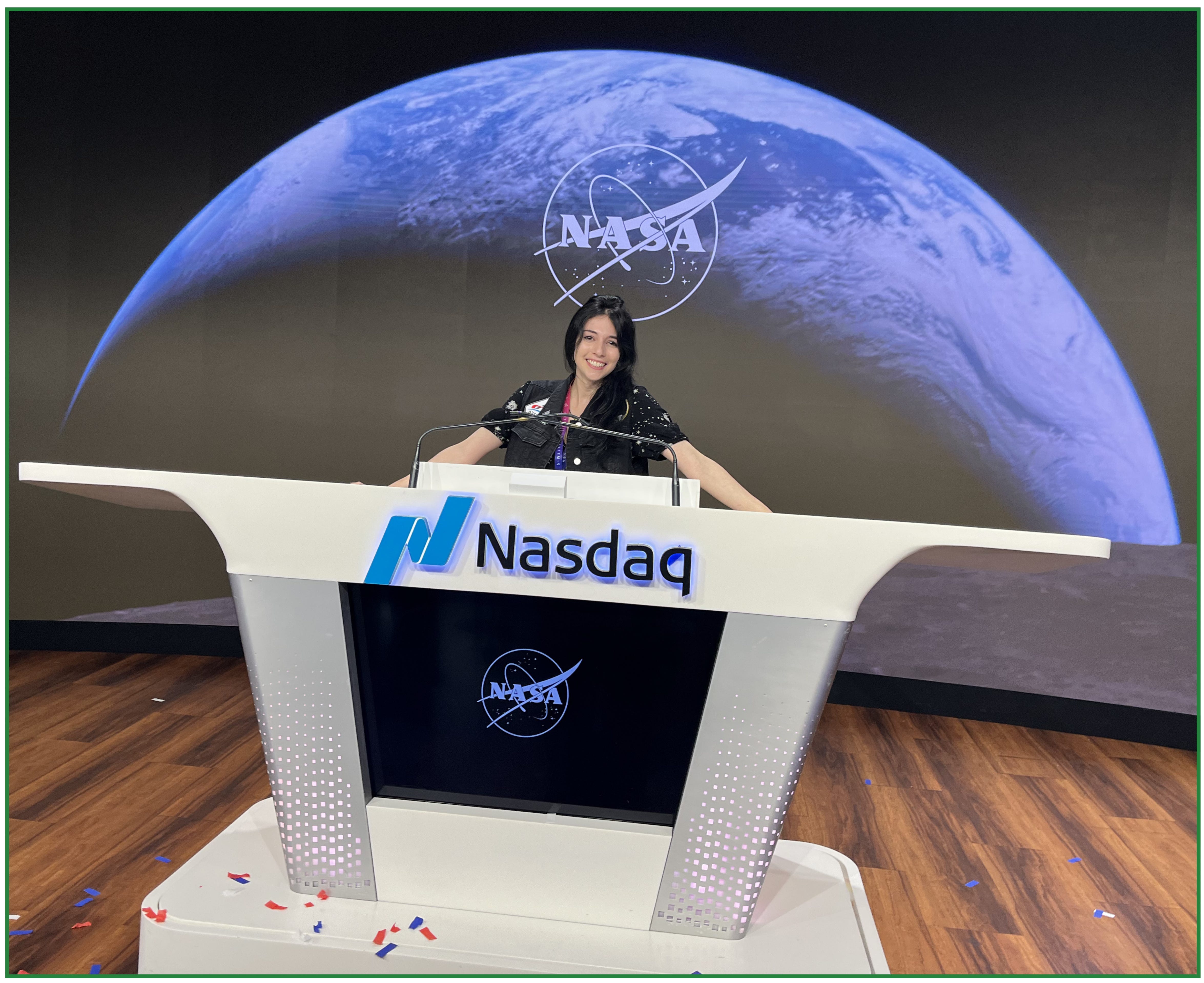
What is it like orchestrating the digital strategy for such a historic and complex mission? In today’s newsletter I spoke with Thalia Patrinos, Artemis Digital Lead, to find out. Thalia has worked in space since 2018, when she started as an intern in the Safety and Technical Operations directorate at NASA’s Johnson Space Center. That same year, she was hired as a contractor for NASA Headquarters and moved to Washington, DC to become a full-time communications strategist. Today she leads and strategizes all digital communications about NASA’s Artemis missions to and around the moon—including social media, video, audio, web presence, and digital engagements.
Below we talk spending six years on the Artemis social strategy, how that very viral Full House crew video came together (it wasn’t pre-planned!), and the “gratification you get for doing the hard thing, not the easy thing.”
Rachel Karten: To start, I have to ask how many social media posts went up during the Artemis II mission?
Thalia Patrinos: Between April 1 and April 10, NASA posted 3,270 times across all of our social media accounts. This figure doesn’t include replies, reposts, or comments.
Rachel: Wow. Those social media posts during the mission were so fun to follow. How long ago did you start working on the social media strategy for this mission?
Thalia: I started working on Artemis digital strategy around six years ago with my “ride or die” Lisa Allen—the two of us have been building the Artemis social media presence from the ground up since the very beginning. It’s always been the two of us at the helm but we’ve had and continue to have support from talented communicators from across the agency. Our digital strategy has evolved over time, similarly to how the scope of Artemis has evolved over time.
We try to strike the right balance between being formal enough to be trusted as the authoritative source of information—while also finding the appropriate moments to have fun and be creative. It’s a careful balance, especially with the spread of misinformation these days.
Rachel: Did you work at all with the astronauts to help them get comfortable being in social media videos? They were all such naturals!
Thalia: I’ve had the honor and pleasure of working with the Artemis II astronauts throughout their assignment but I want to shout out Camille Cowin, Courtney Beasley, and other members of the astronaut support staff who do the media training for our entire astronaut corps.
Our astronauts are truly the best of us. One thing to keep in mind is that people join the corps for lots of reasons: to pursue discovery, to advance humankind, to explore places never explored before…becoming an influencer is not top of mind! So we learned pretty quickly that the Artemis II crew had a natural aversion to anything that felt inauthentic. I honestly think that’s why the public resonates so deeply with them—they simply don’t have to fake it. They are just genuinely cool people who love the opportunity to nerd out and learn new things. They also feel very appreciative that people have really connected to the mission and have expressed their thanks specifically to the community on social media.
Rachel: The Full House video was a top performing post featuring the astronauts. Is that a piece of content that was pre-planned? Take me into the creation of it!
Thalia: This is a perfect example of how genuinely fun the Artemis II crew is. That was not pre-planned. At all. The astronauts were able to downlink a limited amount of videos and imagery every day during the mission using our communication networks. One of the videos in the first batch we received was the one of Reid pointing the camera at his crew, telling each of them to act like they were being introduced in a cheesy 80s sitcom theme song. One of our video editors on standby very quickly cut the version that blew up on social media.
It just goes to show: you can plan and prepare strategies for years in advance of a mission, but once that rocket launches and the astronauts are in space, nobody knows what’s going to happen next. Things happen spontaneously. The most you can do is to prepare your team to be ready for anything.
Rachel: What did launch day look like for you? How long was that day?
Thalia: That was a long day for sure. I think it was close to 24 hours.
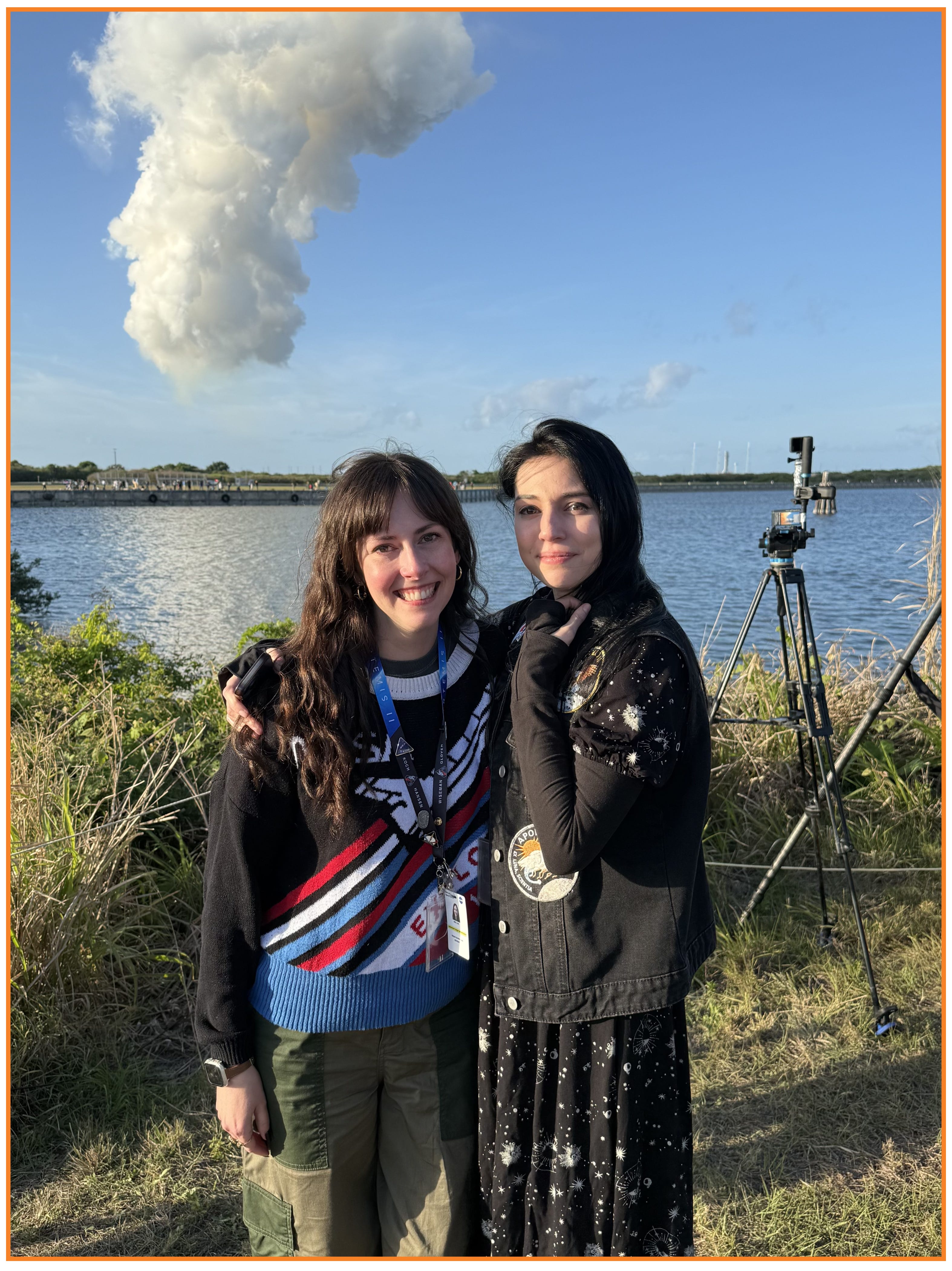
Early that morning, members of the digital team and I squished into an office at the press site at NASA’s Kennedy Space Center, which is about three miles from the launchpad. We had a clear view of the rocket from outside our window. We were locked in and ready by the time tanking began—this is when the launch control teams fill the rocket with cryogenic propellant.
Tanking is a long, involved, delicate process. With Artemis I, we attempted this process three times before actually launching. So I was hoping for a launch that day, but I was also trying to not get my hopes all the way up, with the understanding that all the Swiss cheese holes need to line up just right to get that ‘go for launch’—weather, hardware, software.
But I felt a vibe shift at a certain point. I think it was when the core stage and upper stage of the rocket were in “replenish mode.” Basically, the tanks are full, but a certain percentage of the propellant is “burning off,” so the engineers switch the valves to keep the propellant slowly filling and maintain the 100% fill line. I remember Lisa and I looking at the data and exchanging a look. Like, oh wow. It might actually happen today.
Then launch director Charlie Blackwell-Thompson polled her teams, and we tried to contain our emotions as every team, one right after another, polled GO. And finally commander Reid Wiseman chimed in: “Full. Send.”
Everyone at the press site arranged themselves on the shore of the basin to watch those four astronauts launch into the sky on the tippy top of that rocket. We watched with tears in our eyes and feelings of disbelief that after so many years of so many people working on this mission, everything had finally culminated in this beautiful moment of blinding light and earth-shattering sound.
But even though all that work finally led up to that point, for our team, it was still just the beginning. We wiped our tears and headed back to work. Lisa and I didn’t leave the press site until after the proximity operations demonstration. It was a treat to watch pilot Victor Glover experience a “test pilot’s dream”—to manually pilot the Orion spacecraft for the first time ever—and describe the experience in real-time.
When we finally drove back to Cocoa Beach, Lisa and I got stuck behind a truck transporting a piece of a SpaceX rocket. That was kind of hilarious and awful because it was the wee hours of the morning and we were sleep-deprived and delirious. A good taste of what the next ten days would be like...
Rachel: I want to talk about Rise, the Moon Mascot and zero gravity indicator that audiences fell in love with. I believe the design came about through a contest. Can you talk to me about that? I loved when Rise took over the feed for a day.
Thalia: After the Artemis I mission, our team was trying to come up with ideas for how to involve the public in a totally unique way during the Artemis II mission. Artemis II is such a special, ground-breaking mission—we had already done things like naming contests and user-generated content campaigns. We wanted to do something that we had never done before. The credit for the original idea for the Moon Mascot contest goes to my friend and colleague Tiffany Fairley. She said, “Why don’t we hold a competition to design the zero gravity indicator?” As soon as the words were out of her mouth, I was completely sold. I said, “Yes. We’re doing that.” What followed was me championing this idea and leading the effort through years of back-and-forth, research, analysis, and countless obstacles.
The contest was honestly a tough sell for some folks at NASA and our team had to do a lot of convincing. The astronauts were supportive as long as the contest was a global competition, to reflect the global nature of the mission. So we worked with NASA Tournament Lab and an outside vendor called Freelancer to ensure the contest could be as accessible to as many people as possible. The Moon Mascot contest received thousands of submissions from over 50 countries—but of course, we all know who won it in the end. (Congratulations again to Lucas Ye of California for his “Rise” design!)
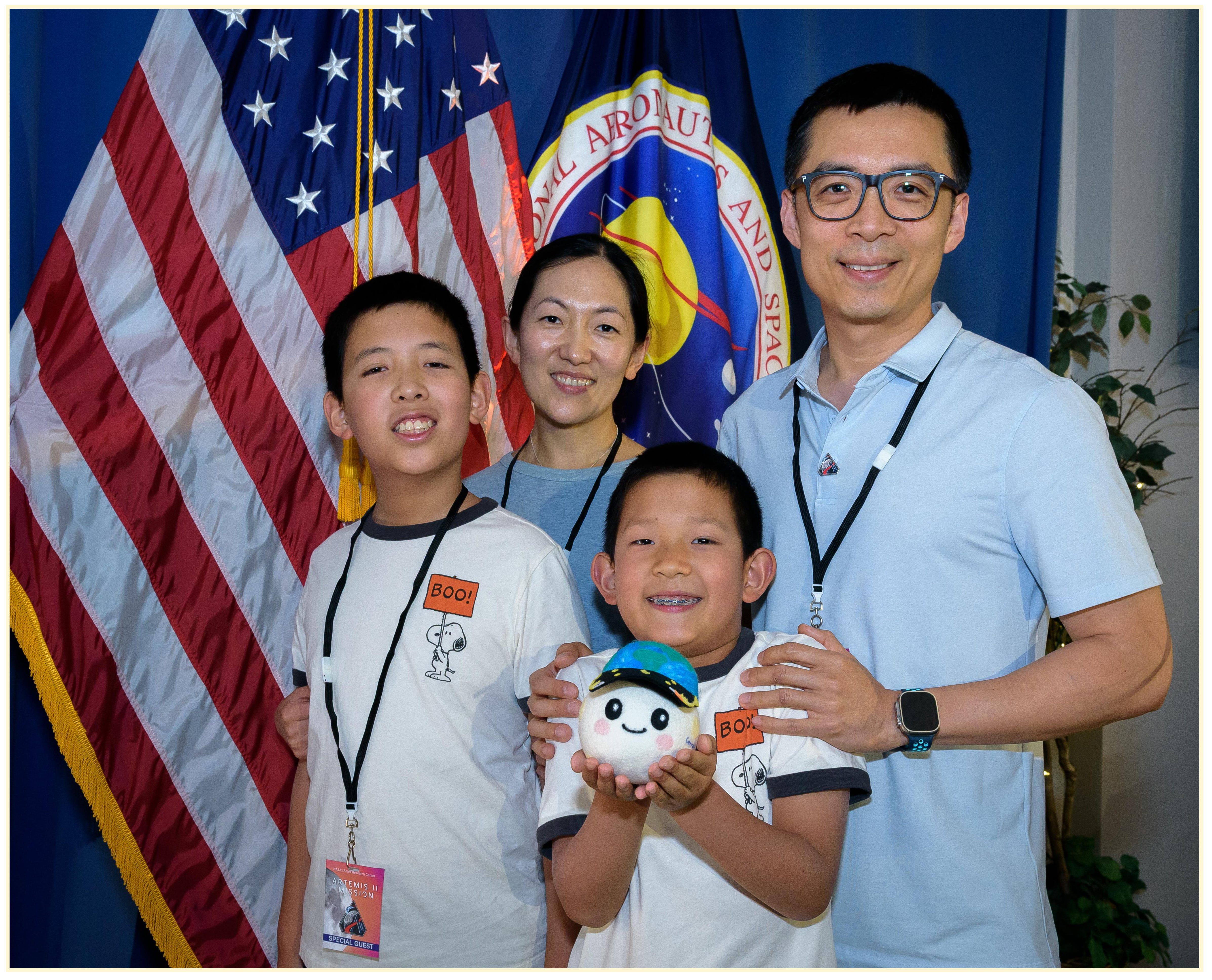
Our team is so proud and happy with how the public resonated with the contest and how Rise reached an instant celebrity status—it’s hard to emphasize how much work all of it was, so it feels extremely validating. So many meetings about one little stuffie!
And I’m happy you enjoyed the Rise takeover. It was awesome to facilitate that for the little guy. He’s got a lot to say!
Rachel: Were there any posts or formats that surprised you at how well they performed? For example, everyone loved the wake up songs!
Thalia: I mean—the answer is honestly everything. Having worked on Artemis for so many years, obviously we hope that the public will react positively to our content, but we never know for certain until it happens. A spaceflight mission is already such a dynamic event with a level of unpredictability. And then you just never know how the Internet will react (or simply not react) to something. We hoped that the authenticity of our crew would speak to our audiences. We hoped that the ground-breaking nature of our mission would unite the world. We hoped that Rise would become a huge star! But I don’t think any of us anticipated the level at which those things were actually accomplished.
I think even over-achievers at NASA struggle with imposter syndrome to a certain degree. I definitely had a moment recently where I thought, oh wow, maybe I do know what I’m doing!
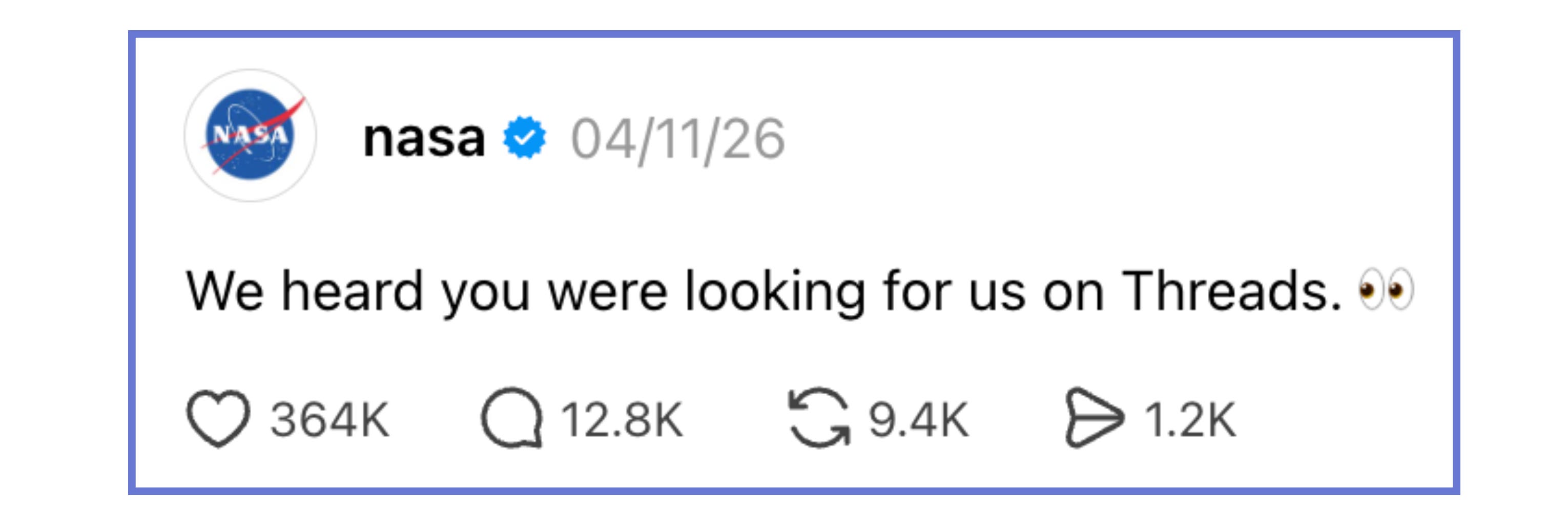
Rachel: Can you talk about joining Threads? The audience over there was so thrilled!
Thalia: The credit belongs to Brittany Brown, our Head of Digital, who saw the moment and jumped on it. The audience on Threads was (and continues to be) hungry for NASA and Artemis content.
I love how the community on that platform has really taken ownership of the Artemis II mission. I love that people make their own content responding to it and reacting to it from their own unique perspective. I love that people are making Artemis-inspired art, telling their own Artemis stories, sharing their own Artemis takes. It’s a reflection of why I love Artemis in the first place: it belongs to all of us. It belongs to you, too.
Rachel: It’s been amazing to see the content continue after the return to Earth. This video of Astronaut Christina Koch’s dog greeting her was particularly sweet. How are you thinking about keeping the momentum up from the mission?
Thalia: Well, the good news is that cadence of Artemis missions has increased to about once a year. Artemis III will test rendezvous and docking procedures necessary for future crewed landings on the lunar surface in 2027. And Artemis IV will land humans on the Moon in 2028. So we have our work cut out for us—that’s for sure. Although I definitely need to catch my breath a little bit!
Also: shameless plug for the Nancy Grace Roman Space Telescope, which is launching as early as September 2026. So if you’re in need of a space fix in the meantime, definitely follow that mission!
Rachel: What was the biggest thing you learned during the mission?
Thalia: The thing that excites me the most about Artemis is how it lays the groundwork for crewed missions to Mars. I am a Mars girlie at heart (I’m an Aries…go figure). And I have been obsessed with the Red Planet since I was a little girl reading The Martian Chronicles by Ray Bradbury. So I have learned a lot over the years about what future crewed Martian missions could look like—and all the challenges that must be solved before we get there. Artemis missions on the lunar surface will serve as a testbed for all the technologies we need to develop to make crewed Martian missions happen. We have a long way to go, that’s for sure. But it’s insanely exciting.
Rachel: What do you love about your job?
Thalia: I’m going to be very real for a second. This is a difficult job. It’s a lot of late nights, early mornings, weekends, holidays. NASA is a breaking news organization. And that type of work requires a lot of personal sacrifice, a lot of time spent away from friends and family. And the willingness to drop everything and jump in at a moment’s notice.
But moments like the Artemis II mission remind you why you put in the hours and why you do the hard work. The JFK “We go to the Moon” speech is over-quoted, but yeah—there is a level of gratification you get for doing the hard thing, not the easy thing. Nothing about what we do is easy. But it is worth it.
Thanks so much for reading! A quick reminder to take this year’s Very Online Survey. Think of it like a social media pulse check. We’re already getting some great responses that will help all of us do our jobs better. We’ll be collecting answers for another week or so. Please fill it out here.
Finally, if you enjoy free interviews like this one, you can upgrade to a paid Link in Bio subscription. You’ll get weekly strategy newsletters and quarterly trend reports, along with access to the Discord community.
If you’re already a paid subscriber, thank you for making this newsletter possible!
An amazing feature on an amazing human! Go Thalia!!!!🚀🤎
FAN GIRLING! So inspiring